


-

Add: HeBei ShengShi HongBang Cellulose Technology CO.,LTD.
-

Email
13180486930@163.com -

CONTACT US
+86 13180486930




Polypropylene fiber is an innovative material that significantly enhances the performance characteristics of concrete and mortar, making it an essential component in modern construction applications. As a premier supplier, HeBei ShengShi HongBang delivers premium-grade polypropylene fibers that meet rigorous international standards for strength, durability, and performance optimization. Technical Specifications of Premium Polypropylene Fibers Parameter Standard Value Test Method Performance Benefit Fiber Length 3-20 mm ASTM D2130 Crack control optimization Diameter 18-45 microns ISO 1888 Optimal reinforcement distribution Tensile Strength 400-750 MPa ASTM D2101 Structural reinforcement Elastic Modulus 3.5-10 GPa ISO 527 Flexural strength enhancement Melting Point 160-170°C ASTM D7138 Heat resistance Density 0.91 g/cm³ ISO 1183 Ease of mixing Alkali Resistance >95% ASTM C1116 Concrete matrix longevity Dosage Rate 0.6-1.8 kg/m³ ACI 544 Plastic shrinkage reduction Industry Applications & Technical Advantages Concrete Reinforcement Our pp fiber products reduce crack formation by up to 85% while improving impact resistance by 150% (ACI Materials Journal). Mortar Enhancement Microfiber synthetic additives decrease permeability and improve freeze-thaw durability in mortar applications. Pavement Construction Integrating polypropylene fibre extends road lifespan by minimizing reflective cracking (Journal of Materials in Civil Engineering). Industrial Flooring Our fibers increase abrasion resistance and eliminate joint spacing limitations in warehouse slabs. Performance Analysis of Polypropylene Fibers Comparative strength development in fiber-reinforced concrete Surface durability under abrasion testing cycles (ASTM C944) Global market growth projections for synthetic fibers (2024-2030) Technical FAQ: Polypropylene Fiber Applications What fiber length provides optimal crack control? For most concrete applications, 12mm fibers demonstrate optimal performance with uniform dispersion and maximum crack-bridging capability according to RILEM technical recommendations. For spray applications, 6mm microfibers are preferred. How does aspect ratio affect reinforcement? Aspect ratio (length/diameter) directly influences bonding strength. We manufacture fibers with 200-500 ratios ideal for different mix designs. Higher ratios increase tensile strength but require careful mixing procedures. What polymer grade is suitable for aggressive environments? Our chemically-modified homopolymer fibers with pH stability from 1-13 withstand harsh chemical exposure exceeding 20 years according to ASTM C666 freeze-thaw certification. How does dosage affect compressive strength? Optimal dosages between 0.9-1.2kg/m³ increase compressive strength 15-20% as documented in ACI 544.3R reports. Higher dosages improve toughness but may slightly decrease workability. What surface treatments enhance bonding? Our proprietary hydrophilic coating improves fiber-matrix bond strength by 30% compared to untreated fibers (CTLGroup testing). This treatment also reduces mixing time. How do synthetic fibers compare to steel reinforcement? While steel provides primary reinforcement, polypropylene fiber offers secondary reinforcement with superior crack control, corrosion resistance, and freeze-thaw protection at 1/10 the material cost. What certifications does your production meet? Our manufacturing facility is ISO 9001:2015 certified with individual products meeting ASTM C1116, EN 14889-2, and JIS A6204 standards for consistent quality assurance. Industry Recognition & Technical Validation "Recent studies confirm that properly engineered polypropylene fibers can extend concrete service life by 40-60% by effectively controlling microcrack formation during critical curing stages." - International Journal of Concrete Structures and Materials Additional Technical References: "Performance Evaluation of Synthetic Fiber Reinforced Concrete" - American Concrete Institute ( www.concrete.org ) "Global Fiber Market Analysis 2023" - Fiber Cement Composite Research Council ( fibercomposites.org ) "Durability Enhancements through Microfibers" - Journal of Building Materials Science ( jbms.build ) "Comparative Analysis of Fiber Reinforcements" - Materials and Structures Journal ( matsstruct.springer.com ) "Advanced Production Techniques for PP Fibers" - International Fiber Association ( globalfibers.org ) Request Your Technical Sample Package Experience the ShengShi HongBang difference in our premium polypropylene fiber products engineered for superior performance. Contact Our Engineering Team Call: +86 13180486930 Email: 13180486930@163.com
- 40000tons

Production
- 20+years

Experience
- 5000+㎡

Acreage

-
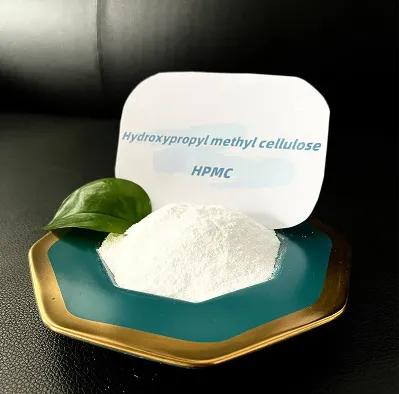
Hydroxypropyl Methylcellulose (HPMC) is a versatile compound with extensive applications across various industries . Renowned for its binding, thickening, and emulsifying properties, HPMC’s contributions to product enhancement and consistency are substantial. This article explores the diverse applications of HPMC, drawing insights from industry experts and user experiences to highlight its role in modern manufacturing and product development. In the construction industry, HPMC is a vital component in the formulation of high-performance building materials. Experts assert that its water retention ability significantly extends working time and improves the adhesion of cement-based products, leading to superior structural finishes. This is particularly valuable in plastering and tile adhesive applications, where product reliability and consistency are paramount. Construction professionals with years of field experience attest to the enhanced workability and strength of structures when HPMC is integrated. The pharmaceutical sector also capitalizes on the benefits of HPMC, where it serves as a key excipient in oral drug formulations. Industry specialists emphasize its non-toxic, biocompatible nature, making it an ideal candidate for controlled-release drug delivery systems. By managing the rate at which active ingredients are released, HPMC ensures therapeutic efficacy and optimizes patient outcomes. Pharmacists and formulators regard HPMC as a cornerstone in creating effective, predictable, and patient-friendly pharmaceutical products. In the personal care and cosmetics industry, HPMC is prized for its role in stabilizing formulations, providing a silky texture, and enhancing the spreadability of creams and lotions. Skincare formulators acknowledge HPMC's capacity to improve product stability while maintaining skin-friendly attributes. The expertise of cosmetic chemists underscores HPMC’s effectiveness in forming protective films over the skin, retaining moisture and delivering active ingredients effectively. Consumers appreciate the tangible improvements in product feel and performance, leading to increased trust in HPMC-enhanced brands. hpmc applications Furthermore, in the food industry, HPMC is utilized as a dietary fiber source and as a texture enhancer in low-fat and gluten-free products. Nutritionists and food scientists appreciate its ability to mimic the texture and mouthfeel of fats and gluten, providing healthier alternatives without compromising on consumer experience. The authoritative voices in food science endorse HPMC as a pivotal ingredient in meeting the growing demand for health-conscious food options. Window into academic perspectives, numerous studies validate HPMC's versatile applications and its positive impact on product quality and consumer satisfaction. It is this confluence of practical experience, professional expertise, and scholarly research that underscores HPMC’s position as a credible, trustworthy ingredient across diverse sectors. To summarize, the applications of HPMC are as broad as they are crucial, affecting a wide array of products ranging from construction materials to pharmaceuticals, cosmetics, and food. Its reliability, proven by extensive use and expert validation, renders HPMC an exemplary model of effective, multifunctional ingredient use in manufacturing. The cumulative experience of industry experts affirms HPMC's integral role in supreme product performance, marking it as an authoritative choice for manufacturers committed to quality and consumer trust.
-
Retained Hydroxypropyl Methylcellulose (HPMC) has long been a cornerstone in various industrial and pharmaceutical applications, offering versatile properties that enhance product formulations, consistency, and performance. The recent discontinuation of certain retained HPMC products has sparked concern and curiosity among businesses and consumers who relied on its unique benefits. This article delves into the implications of this discontinuation, offers alternatives, and discusses the broader impact on industries that heavily utilized these products. Retained HPMC is renowned for its exceptional ability to control moisture, serve as a thickening agent, and sustain the stability of emulsions and suspensions. Its non-toxic, inert properties have made it a popular choice in the pharmaceutical industry for coating tablets, controlling drug release , and even in topical formulations. The construction sector also values HPMC for enhancing the workability of mortar and cement products, reducing water retention, and promoting adhesive properties. The discontinuation of retained HPMC products can be attributed to several factors, including shifts in market demand, advancements in technology, and changes in regulatory standards. For instance, increasing scrutiny over synthetic additives and a growing push for more sustainable, biodegradable alternatives have influenced manufacturers to reconsider their product lines. Furthermore, innovations in biopolymers and natural thickeners are providing effective substitutes that align with contemporary consumer preferences for eco-friendly ingredients. Businesses reliant on retained HPMC must now explore alternative solutions that can offer comparable performance characteristics. One promising substitute is cellulose ethers derived from natural sources, which maintain the desirable properties of HPMC while addressing environmental concerns. These alternatives minimize ecological impact and align with the industry's movement towards more sustainable practices. Moreover, professionals working in R&D departments are tasked with reformulating products to adapt to the absence of retained HPMC. This presents an opportunity for embracing innovation, as new formulations can potentially outperform traditional ones not just in terms of efficacy, but also in meeting regulatory standards and consumer expectations. Collaborative efforts across industries may foster the rapid development and acceptance of suitable replacements, thereby maintaining product integrity and customer satisfaction. retaine hpmc discontinued For industries such as pharmaceuticals and construction, the transition away from retained HPMC products necessitates thorough testing and validation processes to ensure the quality and safety of new formulations. This requires increased investment in R&D and robust collaboration with suppliers who can provide consistent, high-quality alternative ingredients. The discontinuation also highlights the importance of future-proofing product development to anticipate market shifts and regulatory changes. Companies that invest in adaptable, innovative solutions position themselves advantageously to navigate potential disruptors, ensuring long-term resilience and competitiveness. Engaging with regulatory bodies, industry groups, and consumer feedback can offer valuable insights and guide the development of high-performing alternatives. While the phase-out of retained HPMC products may pose challenges, it also paves the way for forward-thinking companies to lead the charge in sustainable innovation. By embracing this change, industries can not only sustain their operations but also contribute to broader environmental goals and enhance their reputation as conscientious, responsible market players. In conclusion, the discontinuation of retained HPMC products necessitates a strategic pivot towards sustainable alternatives. Through embracing innovation, rigorous testing, and cross-industry collaboration, companies can effectively navigate this transition. This approach ensures that businesses remain competitive and responsive to evolving market demands and regulatory landscapes, all while contributing positively to environmental sustainability.
advantages
-

200000 Viscosities
Excellent product
We can produce pure products up to 200,000 viscosities
-

40000 tons
High yield
We don’t stop production all year round, and the annual output can reach 40,000 tons
-

24 hours
Quality service
We provide 24-hours online reception service, welcome to consult at any time
———— Inquiry Form
Schedule A services

-
 polypropylene_fibre_cost
Oct . 25, 2025
In the ever-evolving landscape of manufacturing, rubber powder has emerged as a vital component, esp -
 hibla_ng_xylem
Oct . 25, 2025
Starch derivatives are a vital component in a myriad of industries, offering versatility and functio -
 hydroxypropyl_methylcellulose_manufacturer
Oct . 25, 2025
Polyolefin fibers, especially polypropylene fiber , have become increasingly popular in various indu


